Helping you document your family’s rich stories and history

Helping you document your family’s rich stories and history

In those days, love travelled by post—and in our house, even the postman felt like a relative.


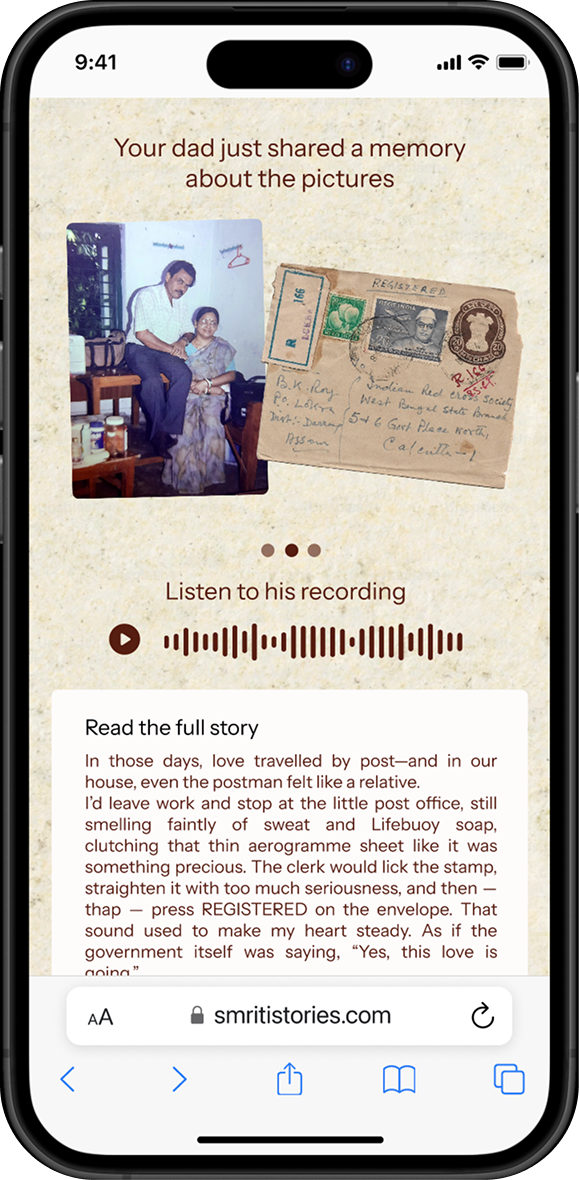
I’d leave work and stop at the little post office, still smelling faintly of sweat and Lifebuoy soap, clutching that thin aerogramme sheet like it was something precious. The clerk would lick the stamp, straighten it with too much seriousness, and then— thap — press REGISTERED on the envelope. That sound used to make my heart steady. As if the government itself was saying, “Yes, this love is going.”


I never wrote filmi lines. I wrote like a normal man: that the power cut came again, that the chai was too sweet at the canteen, that the ceiling fan was making that tak-tak sound, and that the entire day somehow felt incomplete without her voice in it. And then, between those ordinary sentences, I would hide the real thing—one small line meant only for her, the kind that could survive distance and nosy eyes.


Her replies came after a week, sometimes ten days. The paper would be soft at the folds, like it had been opened and closed a hundred times. She’d write about Amma asking too many questions, about the neighbour aunty who noticed everything, about pressing her dupatta between the pages of a book so the letter could stay hidden. But even in all that, she’d end with something that made me smile like an idiot: “Send another soon,” or “I’m keeping your envelopes in my drawer.”


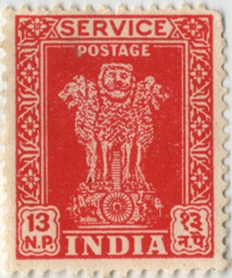
Now when I look at those stamps, the old printing, the ink that has faded - I don’t just see mail.


I see the patience we had. The way we loved without hurry. The way we built a life, one letter at a time, between chai, power cuts, and the long wait for footsteps at the gate.

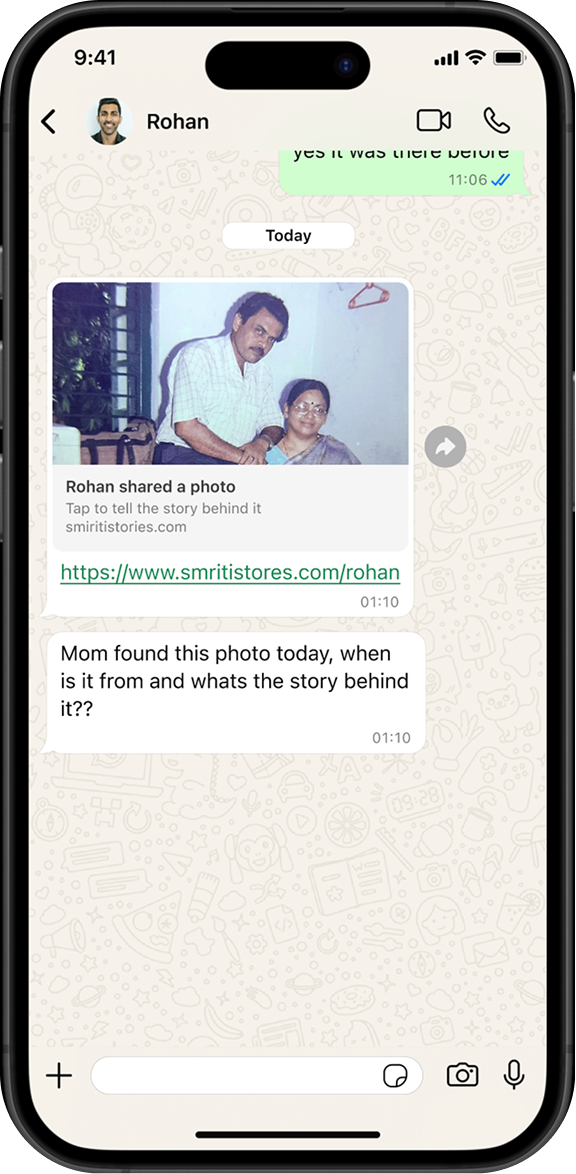
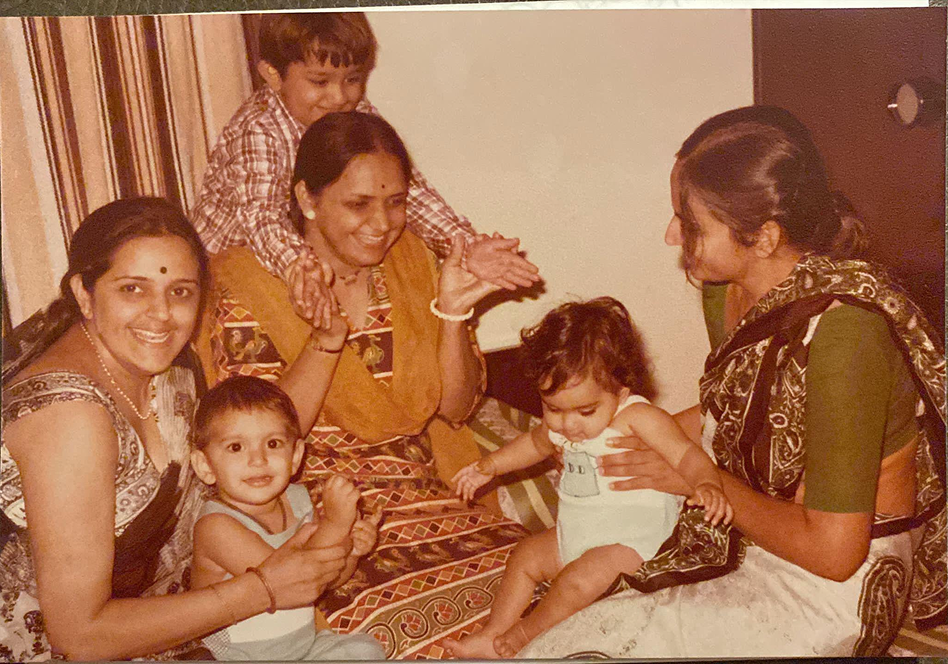
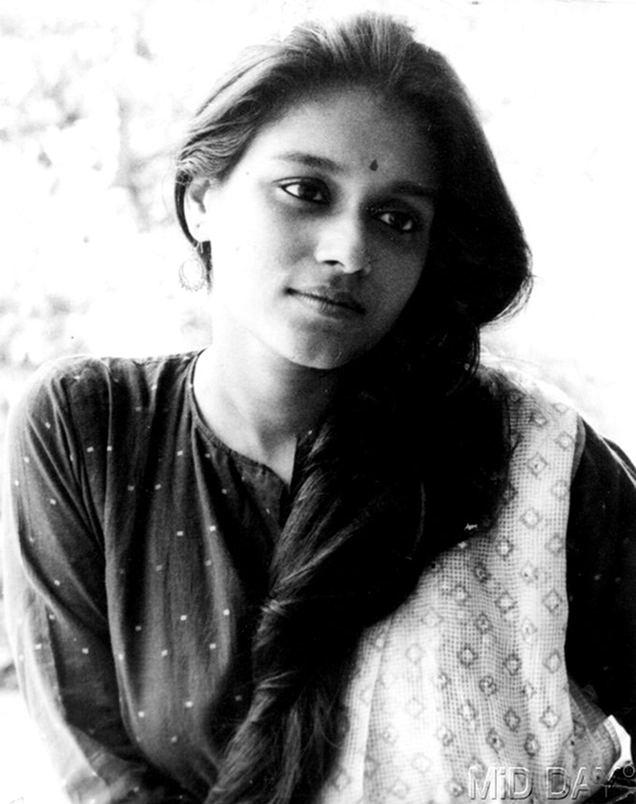
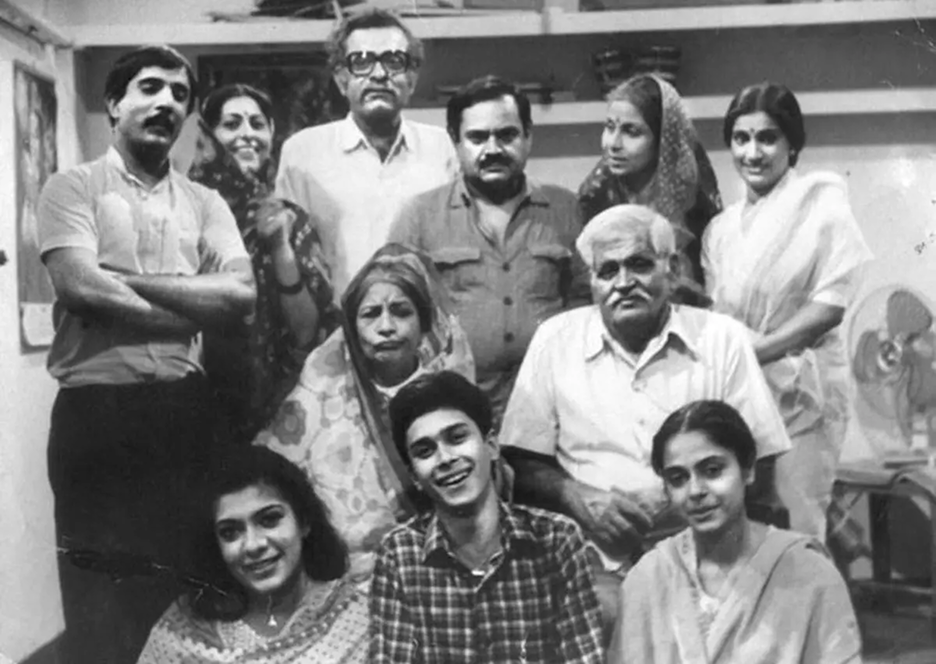
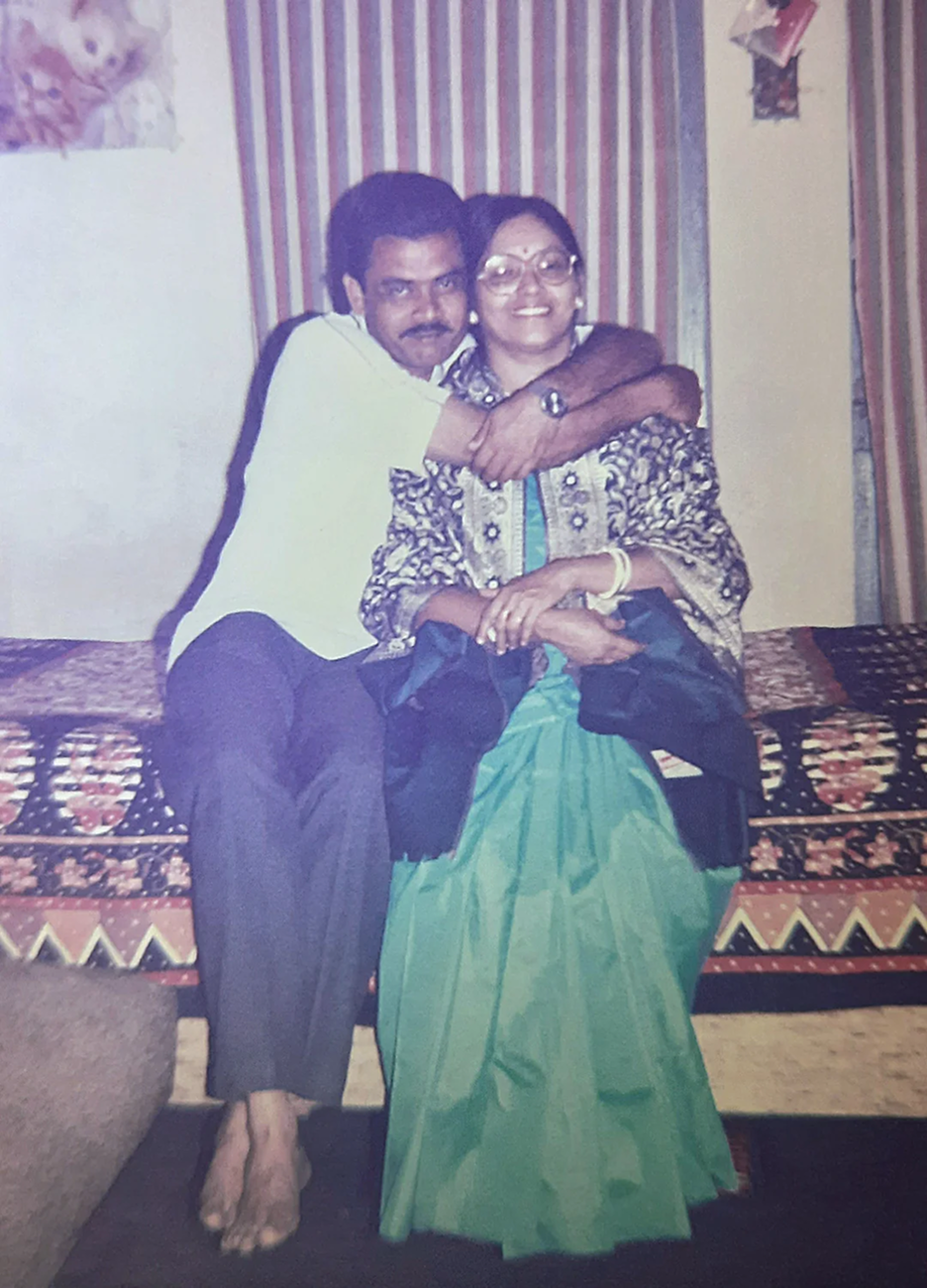
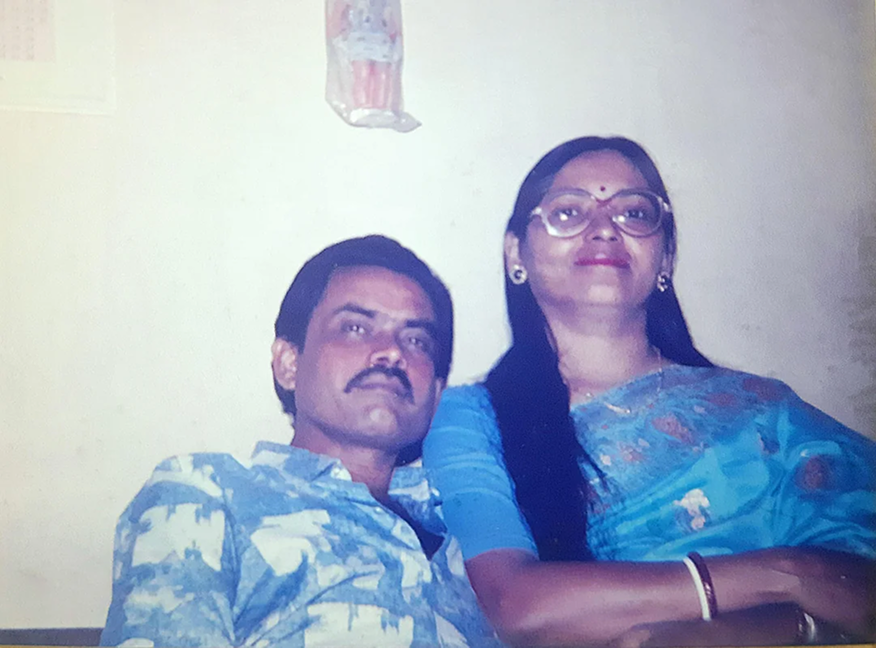
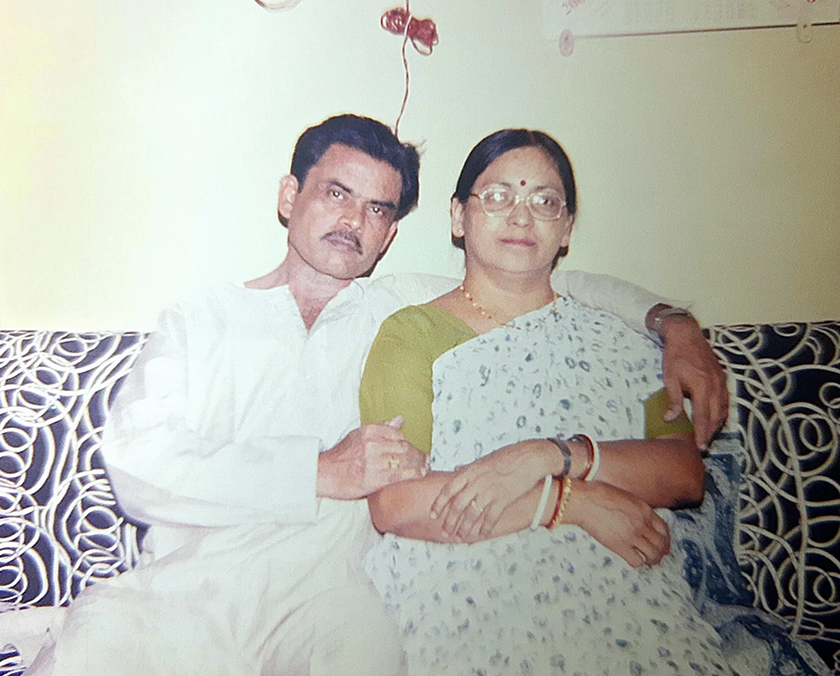
A glimpse of the kind of story your family could have, like Binod and Shraddha’s, collected through guided prompts and turned into a keepsake book.


0:00/1:34

In those days, love travelled by post—and in our house, even the postman felt like a relative.


I’d leave work and stop at the little post office, still smelling faintly of sweat and Lifebuoy soap, clutching that thin aerogramme sheet like it was something precious. The clerk would lick the stamp, straighten it with too much seriousness, and then— thap — press REGISTERED on the envelope. That sound used to make my heart steady. As if the government itself was saying, “Yes, this love is going.”


I never wrote filmi lines. I wrote like a normal man: that the power cut came again, that the chai was too sweet at the canteen, that the ceiling fan was making that tak-tak sound, and that the entire day somehow felt incomplete without her voice in it. And then, between those ordinary sentences, I would hide the real thing—one small line meant only for her, the kind that could survive distance and nosy eyes.


Her replies came after a week, sometimes ten days. The paper would be soft at the folds, like it had been opened and closed a hundred times. She’d write about Amma asking too many questions, about the neighbour aunty who noticed everything, about pressing her dupatta between the pages of a book so the letter could stay hidden. But even in all that, she’d end with something that made me smile like an idiot: “Send another soon,” or “I’m keeping your envelopes in my drawer.”


Now when I look at those stamps, the old printing, the ink that has faded - I don’t just see mail.


I see the patience we had. The way we loved without hurry. The way we built a life, one letter at a time, between chai, power cuts, and the long wait for footsteps at the gate.

A glimpse of the kind of story your family could have, like Binod and Shraddha’s, collected through guided prompts and turned into a keepsake book.


0:00/1:34

In those days, love travelled by post—and in our house, even the postman felt like a relative.


I’d leave work and stop at the little post office, still smelling faintly of sweat and Lifebuoy soap, clutching that thin aerogramme sheet like it was something precious. The clerk would lick the stamp, straighten it with too much seriousness, and then— thap — press REGISTERED on the envelope. That sound used to make my heart steady. As if the government itself was saying, “Yes, this love is going.”


I never wrote filmi lines. I wrote like a normal man: that the power cut came again, that the chai was too sweet at the canteen, that the ceiling fan was making that tak-tak sound, and that the entire day somehow felt incomplete without her voice in it. And then, between those ordinary sentences, I would hide the real thing—one small line meant only for her, the kind that could survive distance and nosy eyes.


Her replies came after a week, sometimes ten days. The paper would be soft at the folds, like it had been opened and closed a hundred times. She’d write about Amma asking too many questions, about the neighbour aunty who noticed everything, about pressing her dupatta between the pages of a book so the letter could stay hidden. But even in all that, she’d end with something that made me smile like an idiot: “Send another soon,” or “I’m keeping your envelopes in my drawer.”


Now when I look at those stamps, the old printing, the ink that has faded - I don’t just see mail.


I see the patience we had. The way we loved without hurry. The way we built a life, one letter at a time, between chai, power cuts, and the long wait for footsteps at the gate.

A glimpse of the kind of story your family could have, like Binod and Shraddha’s, collected through guided prompts and turned into a keepsake book.


A glimpse of the kind of story your family could have, like Binod and Shraddha’s, collected through guided prompts and turned into a keepsake book.


0:00/1:34

Step 1

Send your loved one a message on Whatsapp, or however they feel most comfortable
Step 2

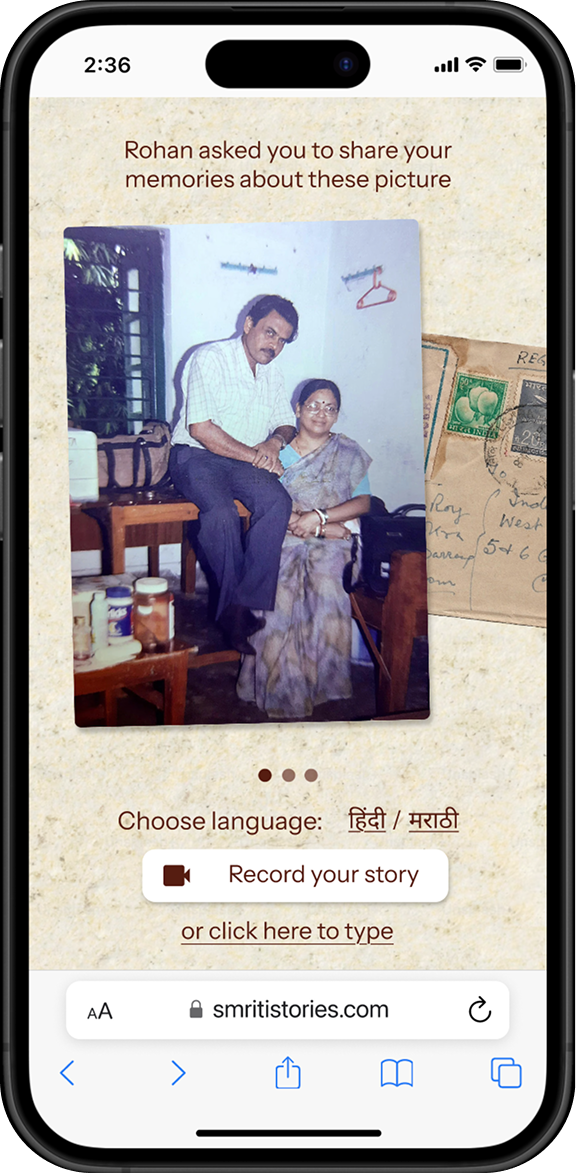
They can record themselves telling the story in their own voice and language
Step 3

We will compile them for you in English and send you a beautiful keepsake when you’re ready!

How does it work?

Step 1

Send your loved one a message on Whatsapp, or however they feel most comfortable

Step 2

They can record themselves telling the story in their own voice and language

Step 3

We will compile them for you in English and send you a beautiful keepsake when you’re ready!

How does it work?

Step 1

Send your loved one a message on Whatsapp, or however they feel most comfortable

Step 2

They can record themselves telling the story in their own voice and language

Step 3

We will compile them for you in English and send you a beautiful keepsake when you’re ready!

How does it work?

How does it work?

We take privacy very seriously. All stories and recordings are encrypted and stored securely. You have complete control over who can view your family’s memories. Your data will never be shared with anyone and you will retain ownership of your story.

Can my parents/grandparents respond in Hindi or other Indian languages?

Can my parents/grandparents respond in Hindi or other Indian languages?

Absolutely! Smriti supports all Indian languages. Your loved ones can record or type their stories in Hindi, Tamil, Bengali, Marathi, Gujarati, or any language they’re comfortable with. We’ll preserve their authentic voice and words.

Absolutely! Smriti supports all Indian languages. Your loved ones can record or type their stories in Hindi, Tamil, Bengali, Marathi, Gujarati, or any language they’re comfortable with. We’ll preserve their authentic voice and words.

Your loved ones can simply record their stories using their phone - no technical knowledge needed. We convert their voice recordings into well-written stories while preserving the original audio, so you can read along or listen to their voice telling the story.

We’re working on it! Our goal is that once you’ve collected multiple stories, you can view them online or order a beautifully printed book featuring all your family’s memories, complete with photos and stories.

We take privacy very seriously. All stories and recordings are encrypted and stored securely. You have complete control over who can view your family’s memories. Your data will never be shared with anyone and you will retain ownership of your story.

Absolutely! Smriti supports all Indian languages. Your loved ones can record or type their stories in Hindi, Tamil, Bengali, Marathi, Gujarati, or any language they’re comfortable with. We’ll preserve their authentic voice and words.

How does voice recording work?

How does voice recording work?

How does voice recording work?

Your loved ones can simply record their stories using their phone - no technical knowledge needed. We convert their voice recordings into well-written stories while preserving the original audio, so you can read along or listen to their voice telling the story.

Your loved ones can simply record their stories using their phone - no technical knowledge needed. We convert their voice recordings into well-written stories while preserving the original audio, so you can read along or listen to their voice telling the story.

We’re working on it! Our goal is that once you’ve collected multiple stories, you can view them online or order a beautifully printed book featuring all your family’s memories, complete with photos and stories.

Can I print the stories as a book?

Can I print the stories as a book?

Can I print the stories as a book?

Absolutely. We take privacy very seriously. All stories and recordings are encrypted and stored securely. You have complete control over who can view your family’s memories. Your data will never be shared with anyone and you will retain ownership of your story.

We take privacy very seriously. All stories and recordings are encrypted and stored securely. You have complete control over who can view your family’s memories. Your data will never be shared with anyone and you will retain ownership of your story.

Is my family's data secure?

Is my family's data secure?

Is my family's data secure?

Smriti (meaning "memory" in Sanskrit) is a platform that helps families preserve their stories and memories. It enables you to send prompts to your loved ones, who can then share their memories through voice or text in any language, which are beautifully formatted and preserved for future generations.

Can my parents/grandparents respond in Hindi or other Indian languages?

Absolutely! Smriti supports all Indian languages. Your loved ones can record or type their stories in Hindi, Tamil, Bengali, Marathi, Gujarati, or any language they’re comfortable with. We’ll preserve their authentic voice and words.

Frequently Asked Questions

Frequently Asked
Questions

Smriti (meaning "memory" in Sanskrit) is a platform that helps families preserve their stories and memories. It enables you to send prompts to your loved ones, who can then share their memories through voice or text in any language, which are beautifully formatted and preserved for future generations.

What is Smriti?

What is Smriti?

Helping you document your family’s rich stories and history

In those days, love travelled by post—and in our house, even the postman felt like a relative.


I’d leave work and stop at the little post office, still smelling faintly of sweat and Lifebuoy soap, clutching that thin aerogramme sheet like it was something precious. The clerk would lick the stamp, straighten it with too much seriousness, and then— thap — press REGISTERED on the envelope. That sound used to make my heart steady. As if the government itself was saying, “Yes, this love is going.”


I never wrote filmi lines. I wrote like a normal man: that the power cut came again, that the chai was too sweet at the canteen, that the ceiling fan was making that tak-tak sound, and that the entire day somehow felt incomplete without her voice in it. And then, between those ordinary sentences, I would hide the real thing—one small line meant only for her, the kind that could survive distance and nosy eyes.


Her replies came after a week, sometimes ten days. The paper would be soft at the folds, like it had been opened and closed a hundred times. She’d write about Amma asking too many questions, about the neighbour aunty who noticed everything, about pressing her dupatta between the pages of a book so the letter could stay hidden. But even in all that, she’d end with something that made me smile like an idiot: “Send another soon,” or “I’m keeping your envelopes in my drawer.”


Now when I look at those stamps, the old printing, the ink that has faded - I don’t just see mail.


I see the patience we had. The way we loved without hurry. The way we built a life, one letter at a time, between chai, power cuts, and the long wait for footsteps at the gate.

A glimpse of the kind of story your family could have, like Binod and Shraddha’s, collected through guided prompts and turned into a keepsake book.


0:00/1:34

In those days, love travelled by post—and in our house, even the postman felt like a relative.


I’d leave work and stop at the little post office, still smelling faintly of sweat and Lifebuoy soap, clutching that thin aerogramme sheet like it was something precious. The clerk would lick the stamp, straighten it with too much seriousness, and then— thap — press REGISTERED on the envelope. That sound used to make my heart steady. As if the government itself was saying, “Yes, this love is going.”


I never wrote filmi lines. I wrote like a normal man: that the power cut came again, that the chai was too sweet at the canteen, that the ceiling fan was making that tak-tak sound, and that the entire day somehow felt incomplete without her voice in it. And then, between those ordinary sentences, I would hide the real thing—one small line meant only for her, the kind that could survive distance and nosy eyes.


Her replies came after a week, sometimes ten days. The paper would be soft at the folds, like it had been opened and closed a hundred times. She’d write about Amma asking too many questions, about the neighbour aunty who noticed everything, about pressing her dupatta between the pages of a book so the letter could stay hidden. But even in all that, she’d end with something that made me smile like an idiot: “Send another soon,” or “I’m keeping your envelopes in my drawer.”


Now when I look at those stamps, the old printing, the ink that has faded - I don’t just see mail.


I see the patience we had. The way we loved without hurry. The way we built a life, one letter at a time, between chai, power cuts, and the long wait for footsteps at the gate.

A glimpse of the kind of story your family could have, like Binod and Shraddha’s, collected through guided prompts and turned into a keepsake book.


0:00/1:34

Step 1

Send your loved one a message on Whatsapp, or however they feel most comfortable

Step 2

They can record themselves telling the story in their own voice and language

Step 3

We will compile them for you in English and send you a beautiful keepsake when you’re ready!

How does it work?

How does it work?

We take privacy very seriously. All stories and recordings are encrypted and stored securely. You have complete control over who can view your family’s memories. Your data will never be shared with anyone and you will retain ownership of your story.

Can my parents/grandparents respond in Hindi or other Indian languages?

Absolutely! Smriti supports all Indian languages. Your loved ones can record or type their stories in Hindi, Tamil, Bengali, Marathi, Gujarati, or any language they’re comfortable with. We’ll preserve their authentic voice and words.

Your loved ones can simply record their stories using their phone - no technical knowledge needed. We convert their voice recordings into well-written stories while preserving the original audio, so you can read along or listen to their voice telling the story.

We’re working on it! Our goal is that once you’ve collected multiple stories, you can view them online or order a beautifully printed book featuring all your family’s memories, complete with photos and stories.

We take privacy very seriously. All stories and recordings are encrypted and stored securely. You have complete control over who can view your family’s memories. Your data will never be shared with anyone and you will retain ownership of your story.

Absolutely! Smriti supports all Indian languages. Your loved ones can record or type their stories in Hindi, Tamil, Bengali, Marathi, Gujarati, or any language they’re comfortable with. We’ll preserve their authentic voice and words.

How does voice recording work?

Your loved ones can simply record their stories using their phone - no technical knowledge needed. We convert their voice recordings into well-written stories while preserving the original audio, so you can read along or listen to their voice telling the story.

We’re working on it! Our goal is that once you’ve collected multiple stories, you can view them online or order a beautifully printed book featuring all your family’s memories, complete with photos and stories.

Can I print the stories as a book?

Absolutely. We take privacy very seriously. All stories and recordings are encrypted and stored securely. You have complete control over who can view your family’s memories. Your data will never be shared with anyone and you will retain ownership of your story.

Is my family's data secure?

Smriti (meaning "memory" in Sanskrit) is a platform that helps families preserve their stories and memories. It enables you to send prompts to your loved ones, who can then share their memories through voice or text in any language, which are beautifully formatted and preserved for future generations.

Can my parents/grandparents respond in Hindi or other Indian languages?

Absolutely! Smriti supports all Indian languages. Your loved ones can record or type their stories in Hindi, Tamil, Bengali, Marathi, Gujarati, or any language they’re comfortable with. We’ll preserve their authentic voice and words.

Frequently Asked Questions

Smriti (meaning "memory" in Sanskrit) is a platform that helps families preserve their stories and memories. It enables you to send prompts to your loved ones, who can then share their memories through voice or text in any language, which are beautifully formatted and preserved for future generations.

What is Smriti?